Fastest Image Generation Model: 2026 Speed Ranking

Freepik AI Suite is the fastest overall — it puts Flux's schnell and Klein models directly in front of a non-technical user with no setup. Stable Diffusion Web is the fastest free option, running SDXL Turbo in the browser. Midjourney is the clear slowest, because every job waits in a shared Discord queue instead of processing on its own.
- Speed comes from one of two things: a distilled "turbo" or "schnell" model built to generate in fewer steps, or queue-free infrastructure — it's not about which brand you trust
- Freepik AI Suite and Stable Diffusion Web give you direct access to the fastest underlying models (Flux schnell, SDXL Turbo) without an API key or a GPU of your own
- Midjourney is consistently the slowest mainstream tool because every job runs through one shared Discord queue — the wait grows with platform load, not with the image itself
- A faster model isn't automatically a worse one — schnell and Turbo variants are purpose-built to cut steps with only a small quality trade-off
- If you're generating in bulk — 20 variations of one prompt, not just one image — tool choice affects your total wait time far more than it affects any single generation
Search "fastest image generation model" and most of what comes back is one company benchmarking its own product and, unsurprisingly, declaring itself the winner — one even discloses the article was drafted with its own AI tooling. That's not a comparison, it's an ad.
So here's an honest one: which tools actually get you an image fastest, and why some of them are built to be slower. This is one slice of a bigger question — if you're weighing every reason people are switching away from Midjourney, speed is just one of several angles worth comparing, and you can browse the full AI image generation category to see the rest.
The short version: Freepik AI Suite and Stable Diffusion Web lead the pack because of the models running underneath them — Flux's schnell/Klein variants and SDXL Turbo — both purpose-built to generate in a handful of steps instead of dozens. Adobe Firefly and Leonardo AI follow close behind with dedicated fast modes. Midjourney brings up the rear, not because its model is bad, but because every job waits in line.
Fastest Image Generation Model: Quick Comparison
| Tool | Typical Speed | Free Plan | Starting Price (USD/mo) | Best For |
|---|---|---|---|---|
| Freepik AI Suite | Fastest — Flux schnell/Klein access | Yes | Paid tiers for higher volume | Bulk and iterative generation |
| Stable Diffusion Web | Near-instant in Turbo mode | Yes | Free | Fast generation with zero cost |
| Adobe Firefly | Fast | Yes (limited credits) | Paid plans for more volume | Speed plus a clean commercial license |
| Leonardo AI | Fast in dedicated fast mode | Yes | Paid plans for more credits | Toggling between fast drafts and polished finals |
| Gemini (Nano Banana) | Fast for a chat interface | Yes | Included in paid Google AI plans | Speed inside a familiar chat window |
| Midjourney | Slowest — shared job queue | No | Paid only | Not speed — art-directed style instead |
If raw speed is the whole point, start with Freepik AI Suite below.
Fastest Image Generation Model, Ranked by Tool
1. Freepik AI Suite — Fastest Overall
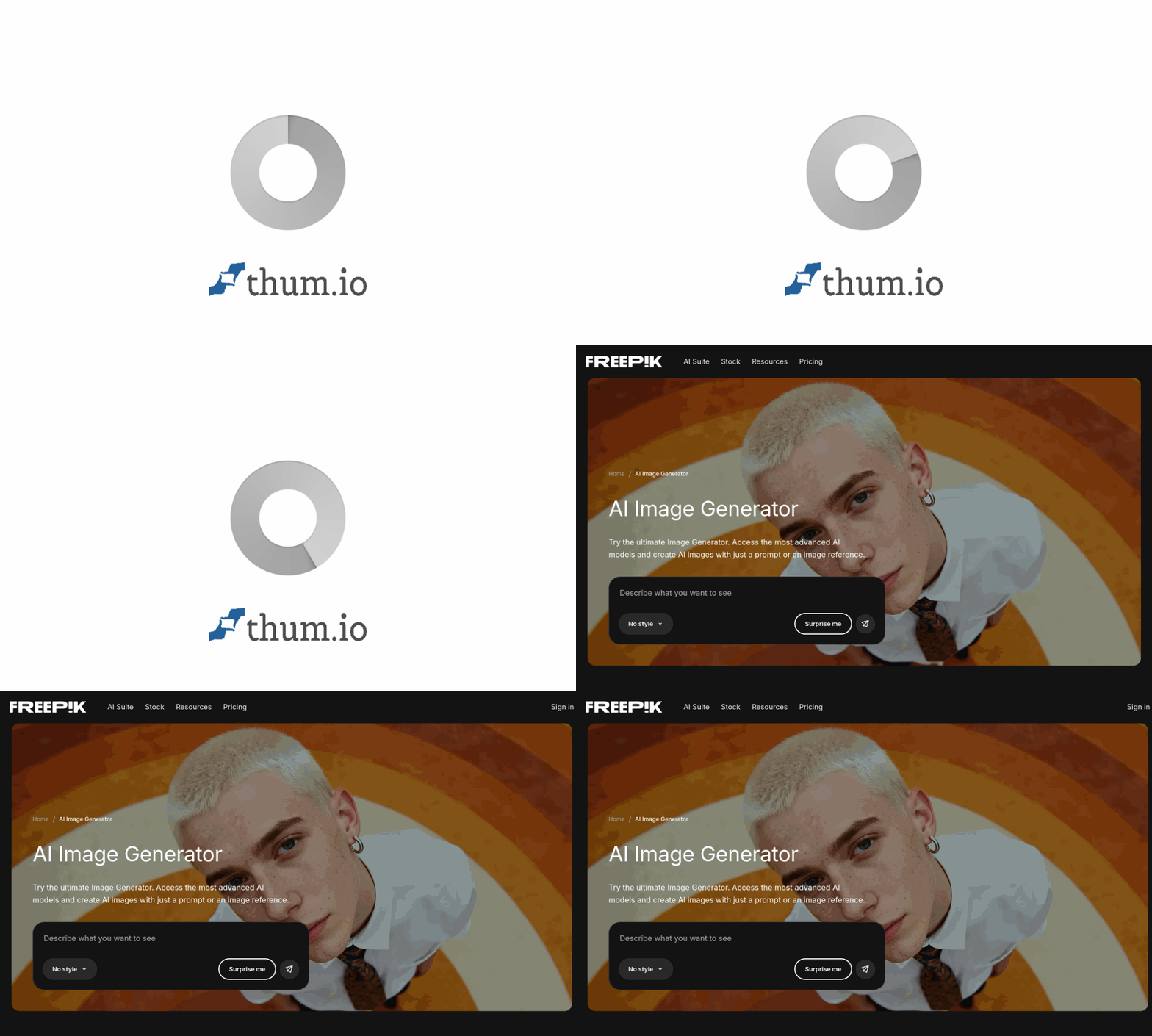
Freepik AI Suite gives you direct, no-setup access to Flux — including its schnell and Klein variants, which are distilled specifically to generate high-quality images in only 1 to 4 steps instead of the 30-50 a flagship model typically needs. That's the actual source of the speed, not a marketing claim: fewer steps means less time, full stop.
- Direct access to Flux schnell/Klein, no API or self-hosting required
- No-code, prompt-box interface
- Built for bulk generation, not just single images
- Free tier available
- Clear commercial-use terms
Best for: freelancers and solopreneurs generating in volume — product mockups, thumbnail variations, rapid prompt testing. Not ideal for: someone who wants one maximally polished, flagship-quality image and doesn't care about wait time.
2. Stable Diffusion Web — Fastest Free Option
If you don't want to pay anything, this is the fastest route. Stable Diffusion Web runs in the browser and includes SDXL Turbo-class fast modes — the open-source answer to Flux schnell, built around the same trick: Stability AI's distillation technique cuts reducing the required step count from 50 to just one. Want to run it yourself instead of using the hosted version? Here's what it costs to self-host one of these models yourself.

- SDXL Turbo access for near-instant generation
- Completely free to use
- Browser-based, no install
- Open-model transparency (you know what you're running)
- A self-hosting path if you outgrow the browser version
Best for: readers who want fast iteration without opening their wallet. Not ideal for: readers chasing the most art-directed, polished output over speed.
3. Adobe Firefly — Fastest Mainstream Generalist
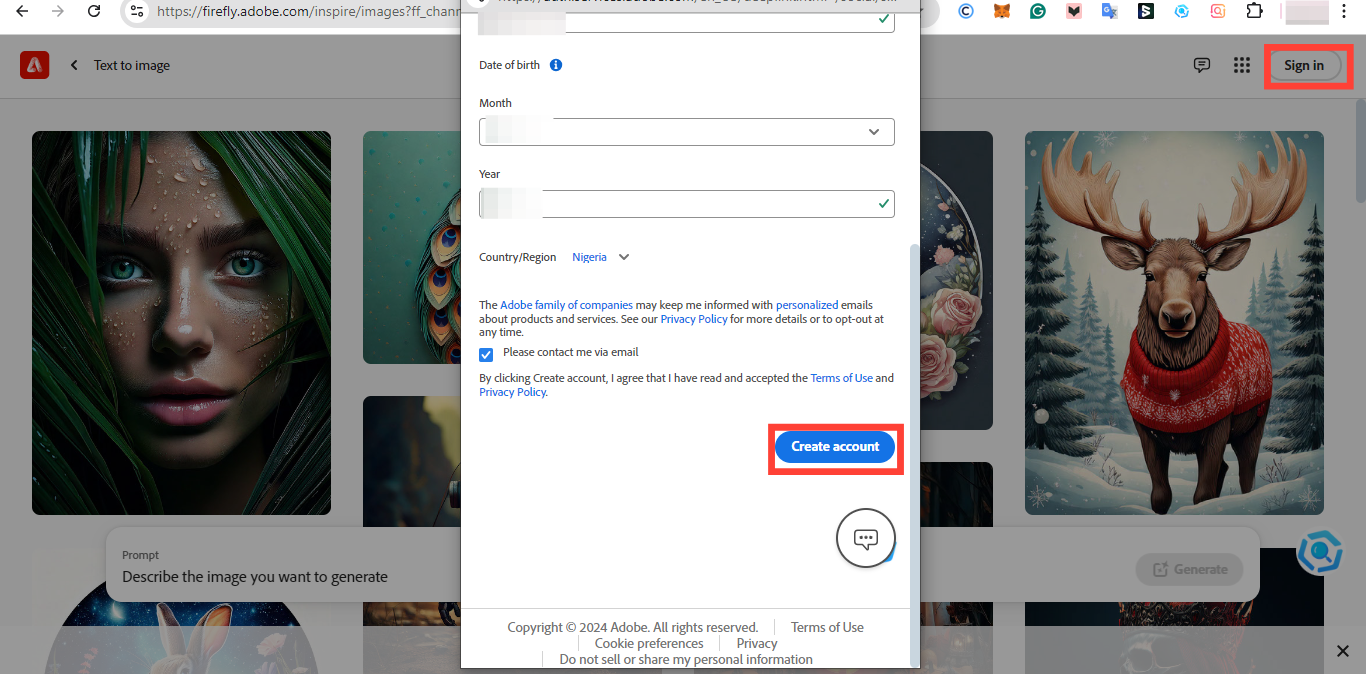
Adobe Firefly is the fast option for someone who wants speed but also wants the safety net of a big, established name and a commercial license that won't get questioned later.
- Dedicated fast generation mode
- Commercial-safe licensing built in
- Creative Cloud integration
- Credit-based free tier
- Consistently reliable output quality even at speed
Best for: readers who need quick turnaround plus a clean, defensible commercial license. Not ideal for: heavy bulk generation — the free credit allowance runs out fast.
4. Leonardo AI — Fast Mode, Strong Middle Ground
Leonardo AI blends an in-house model with Flux access, and its fast mode toggle is genuinely useful: flip it on for quick drafts while iterating on a prompt, flip it off when you've landed on the one worth polishing.

- Dedicated fast mode toggle
- Multiple underlying models to choose from
- Free daily credits
- Built-in upscaling for when you slow back down
- Active community prompt library
Best for: readers who want to move fast while drafting, then switch to a slower, higher-quality pass for the final image. Not ideal for: readers who just want the single fastest option with zero setup or toggling.
5. Gemini (Nano Banana) — Fastest Chat-Interface Option
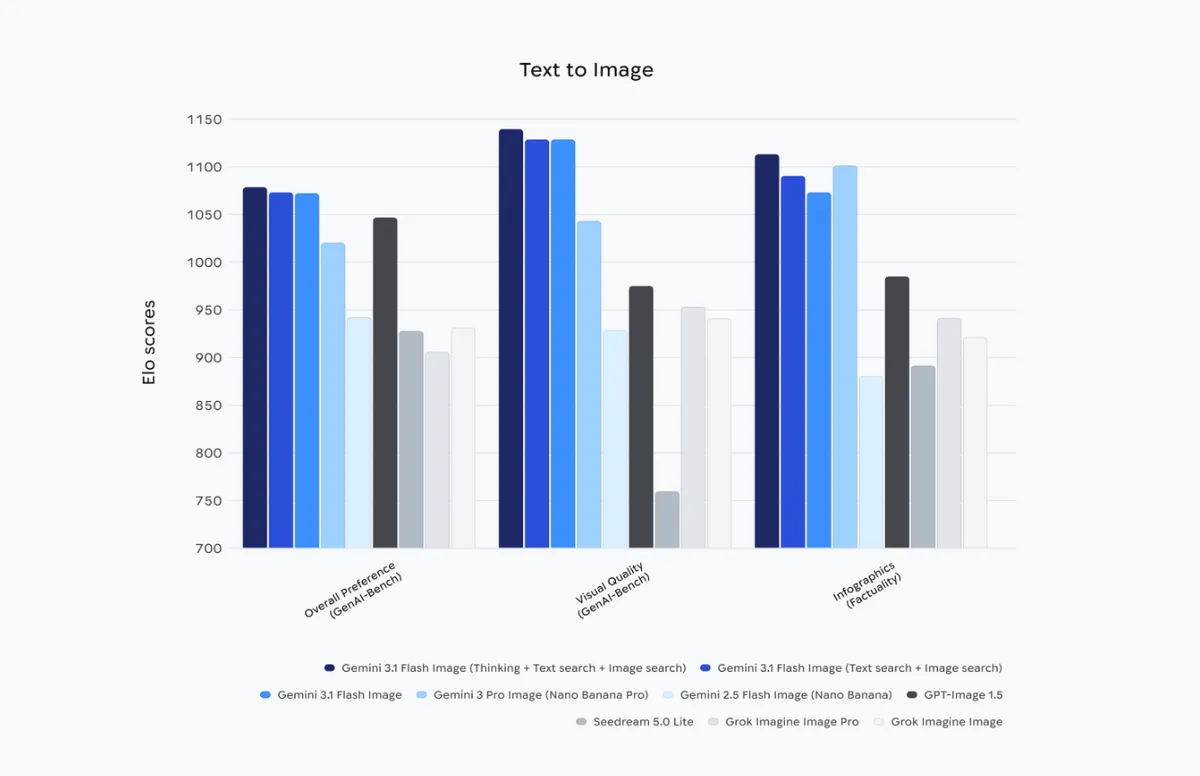
Among tools you access by just chatting, Gemini's Nano Banana models are noticeably quicker to return an image than other chat-based generators — a real advantage if you're already living inside a conversation and don't want to switch tools to get a fast image.
- Conversational, in-chat prompting
- Noticeably fast response time for a chat-interface tool
- Free access tier
- Plays well with other Google apps
- Iterative editing without leaving the chat
Best for: readers who want speed without leaving a chat window they're already using. Not ideal for: readers who need dedicated bulk-generation tooling.
Why Some Tools Are Slower (And It's Not About Quality)
Slowness comes from one of two places. Either the tool is running a large, non-distilled flagship model that genuinely needs more steps per image — see which model actually powers each of these tools for the full breakdown — or it's running on shared, queue-based infrastructure where your wait depends on everyone else's traffic, not your prompt.
Midjourney is the clearest example of the second cause: every job goes through one shared Discord queue, so the wait — commonly ranging widely depending on how busy the platform is [VERIFY: current typical wait range] — has nothing to do with your image and everything to do with how many other people are generating at that exact moment. ChatGPT also sits toward the slower end — it generates one image at a time, and we cover its real rate limits and what it's not built for in more detail elsewhere. Craiyon rounds out the slow end among mainstream tools, for a mix of both causes.
None of this means fast is automatically worse. Flux schnell, Flux Klein, and SDXL Turbo are distilled specifically to cut steps with only a small trade-off in fine detail — proof that speed and quality aren't the opposites this SERP's self-interested benchmarks want you to believe.
Frequently Asked Questions
What is the fastest AI image generator?
Among consumer tools, Freepik AI Suite and Stable Diffusion Web are the fastest, because both give direct access to distilled "turbo"/"schnell" models built specifically to generate in fewer steps. [VERIFY: exact current seconds-per-image — this shifts with server load and plan tier]
Why is Midjourney so slow?
Midjourney generates through a shared Discord-based job queue rather than processing your request on its own — so wait times climb with overall platform demand instead of being a fixed cost per image.
Is a faster AI image generator lower quality?
Not inherently. Distilled model variants like Flux schnell and SDXL Turbo are built to skip generation steps without a proportional quality loss, though they can still lag flagship models on fine detail and exact prompt adherence.
What's the fastest way to generate AI images in bulk?
Use a tool built on a distilled fast model with batch support — like Freepik AI Suite's Flux access — rather than a single-prompt chat interface. Batch-capable tools scale far better than processing one image at a time in a shared queue. [VERIFY: current batch-generation limits per plan tier]
Final Verdict
If speed is genuinely the deciding factor, start with Freepik AI Suite — it puts the fastest underlying models in your hands with zero setup. If you'd rather not pay anything, Stable Diffusion Web gets you nearly the same speed for free. Both beat chasing whichever tool's own marketing currently claims to be the fastest — the model behind the interface is what actually decides how long you wait, not the brand name on it.